10 Ways to Improve Your Google Ranking Without Paid Ads
10 Ways to Improve Your Google Ranking Without Paid Ads
1) Target Specific Search Queries Instead of Broad Keywords
Trying to rank for broad, highly competitive keywords can make it difficult to gain visibility. Instead, focusing on more specific search queries allows your website to connect with users who are looking for exactly what you offer. These targeted searches often have less competition and higher intent. Over time, this approach helps build stronger and more consistent rankings.
2) Structure Your Pages for Easy Scanning
Search engines and users both prefer content that is easy to read and navigate. Using clear headings, short paragraphs, and organized layouts makes it easier for Google to understand your content. Well-structured pages also keep visitors engaged longer. This signals to search engines that your content is valuable and relevant.
3) Optimize Your Page Titles and Meta Descriptions
Your page titles and meta descriptions play a key role in how your content appears in search results. Clear, relevant titles help Google understand your page, while strong descriptions encourage users to click. When both are optimized properly, they improve your visibility and click-through rates. This combination can positively impact your overall ranking.
4) Add Internal Links to Guide Search Engines
Linking between pages on your website helps search engines discover and understand your content more effectively. Internal links create a clear structure that shows how your pages are connected. They also help distribute authority across your site. This makes it easier for important pages to rank higher.
5) Keep Your Content Updated and Relevant
Outdated content can lose its effectiveness over time. Regularly updating your pages with fresh information signals to Google that your website is active and current. Even small updates can improve performance and maintain rankings. Keeping content relevant ensures it continues to meet user expectations.
6) Use Descriptive Image Optimization
Images can support your SEO when they are properly optimized. Using clear file names and descriptive alt text helps search engines understand what your images represent. This can improve your visibility in image search results. It also enhances accessibility for users.
7) Improve Website Navigation and Structure
A well-organized website makes it easier for both users and search engines to explore your content. Clear navigation helps visitors find information quickly and encourages them to stay longer. When your site structure is logical and easy to follow, search engines can index your pages more efficiently. This supports stronger overall rankings.
8) Focus on Creating Dedicated Service Pages
Instead of combining everything onto one page, creating separate pages for each service improves your chances of ranking. Each page can be optimized for a specific topic or search query. This makes your content more relevant and easier for Google to categorize. As a result, your website becomes more visible across multiple searches.
9) Reduce Bounce Rates Through Better Engagement
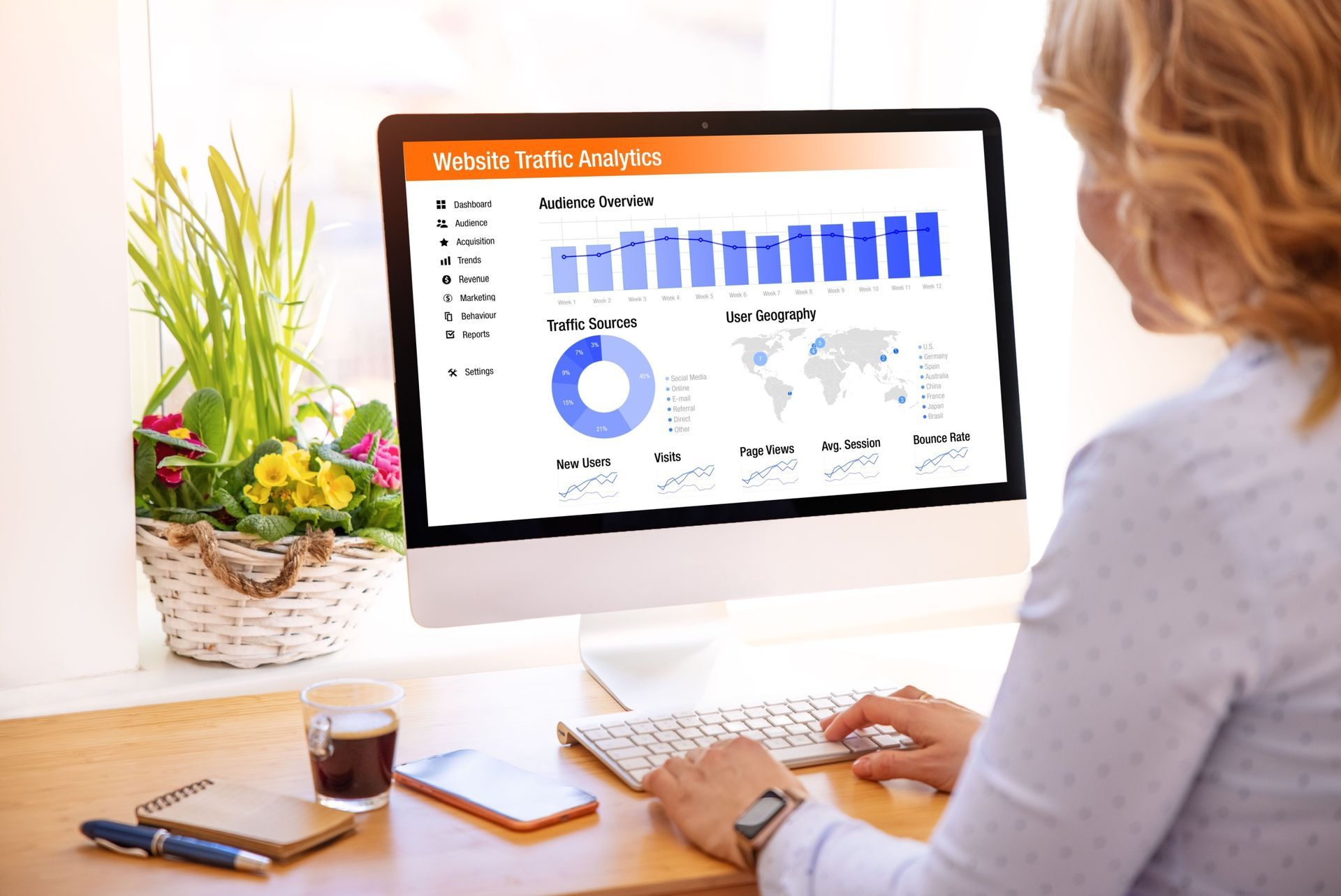
When visitors leave your website quickly, it can signal that your content isn’t meeting their needs. Improving engagement through clear messaging and helpful information encourages users to stay longer. The more time visitors spend on your site, the stronger the signal to search engines. This can contribute to better rankings over time.
10) Ensure Your Website Is Secure and Reliable
Website security is an important factor for both users and search engines. Having a secure site builds trust and protects user information. Google also prioritizes websites that provide a safe browsing experience. A reliable website creates a stronger foundation for long-term SEO success.
Want to improve your Google ranking without relying on paid ads? Contact us today to strengthen your SEO strategy and help your website get found by the right audience.