How To Turn Website Visitors Into Paying Customers

How To Turn Website Visitors Into Paying Customers
1) Make a Strong First Impression Within Seconds
When someone lands on your website, they decide almost instantly whether to stay or leave. Clear messaging, clean design, and a strong headline should immediately communicate what you offer and who it’s for. If visitors are confused or overwhelmed, they won’t take the time to figure it out. A strong first impression builds trust and encourages users to keep exploring.
2) Clearly Communicate Your Value
Visitors need to understand not just what you do, but why it matters to them. Your website should clearly highlight the benefits of your service and how it solves a problem. Instead of focusing only on features, focus on outcomes and results. When people see the value quickly, they’re more likely to take the next step.
3) Guide Users With Strategic Calls-to-Action
Every page on your website should lead visitors toward a specific action. Whether it’s “Contact Us,” “Get a Quote,” or “Learn More,” your calls-to-action should be clear, visible, and easy to follow. Without direction, users are more likely to leave without engaging. A well-placed CTA turns passive visitors into active leads.
4) Build Trust Through Social Proof
Trust plays a major role in whether someone becomes a customer. Testimonials, reviews, and real examples of your work help reassure visitors that others have had positive experiences. This reduces hesitation and builds credibility. The more confident people feel in your business, the more likely they are to convert.
5) Simplify the User Experience
If your website is difficult to navigate, users will leave before taking action. A simple, organized layout helps visitors find what they’re looking for quickly and easily. Reducing clutter and unnecessary steps makes the experience more enjoyable. The easier it is to use your website, the more likely visitors are to convert.
6) Optimize for Speed and Performance
Website speed has a direct impact on user behaviour. Slow-loading pages frustrate users and increase bounce rates, which means lost opportunities. In 2026, users expect fast and seamless experiences across all devices. A high-performing website keeps visitors engaged and moving forward.
7) Use Content That Speaks to Your Audience
Your content should feel relevant and tailored to your ideal customer. Address common questions, concerns, and goals in a way that feels natural and helpful. When visitors feel understood, they’re more likely to trust your brand. Strong messaging creates a connection that drives action.
8) Capture Leads With Clear Opportunities
Not every visitor is ready to buy right away, which is why capturing leads is essential. Forms, contact options, and simple ways to get in touch help keep potential customers engaged. The key is making these opportunities easy to find and complete. A strong lead capture strategy helps you build consistent business opportunities.
9) Create Consistency Across the Entire Journey
From the first click to the final action, your website should feel consistent in messaging, design, and tone. Any disconnect can create confusion and reduce trust. A cohesive experience helps guide users smoothly through the decision-making process. Consistency reinforces professionalism and reliability.
10) Continuously Improve Based on User Behaviour
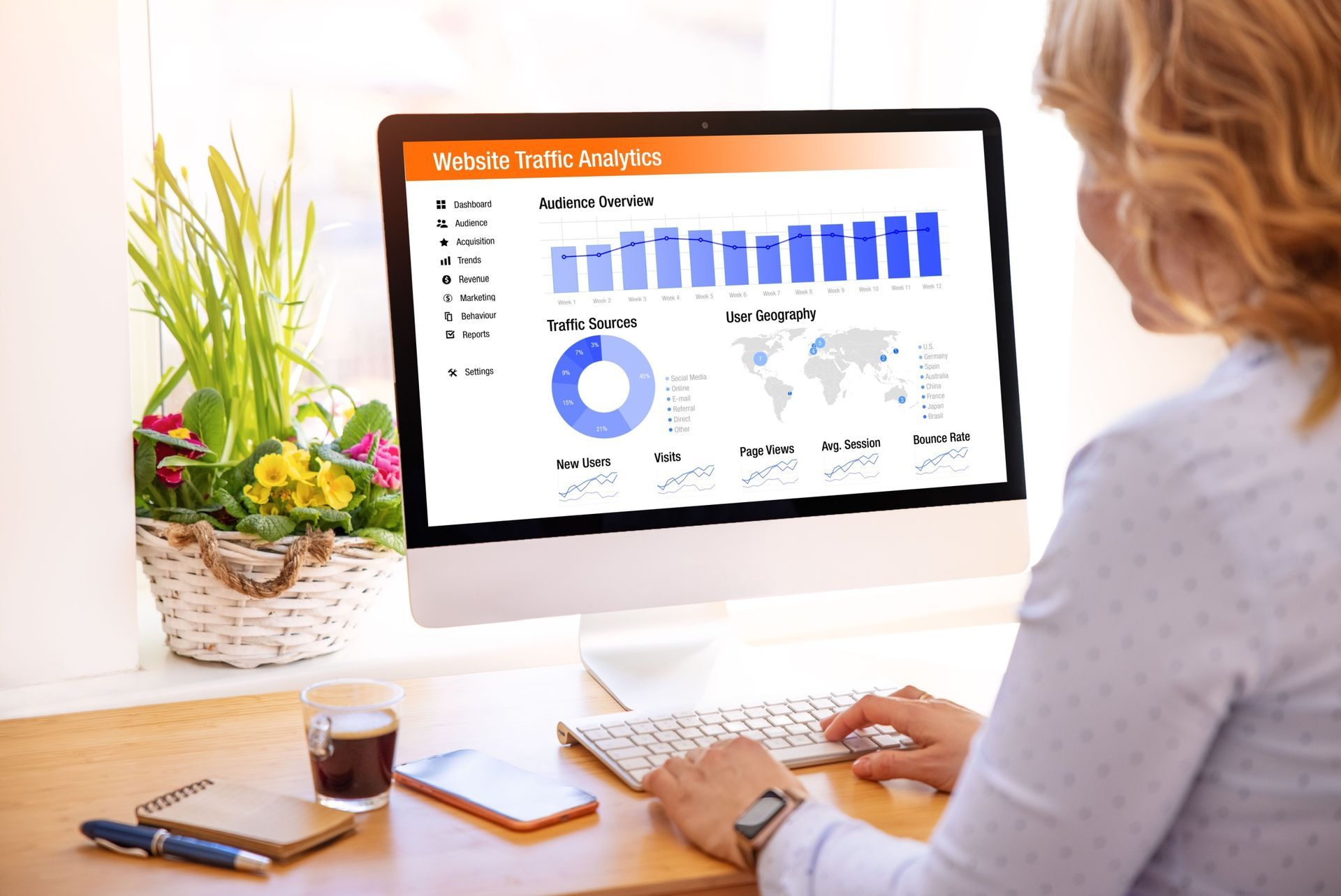
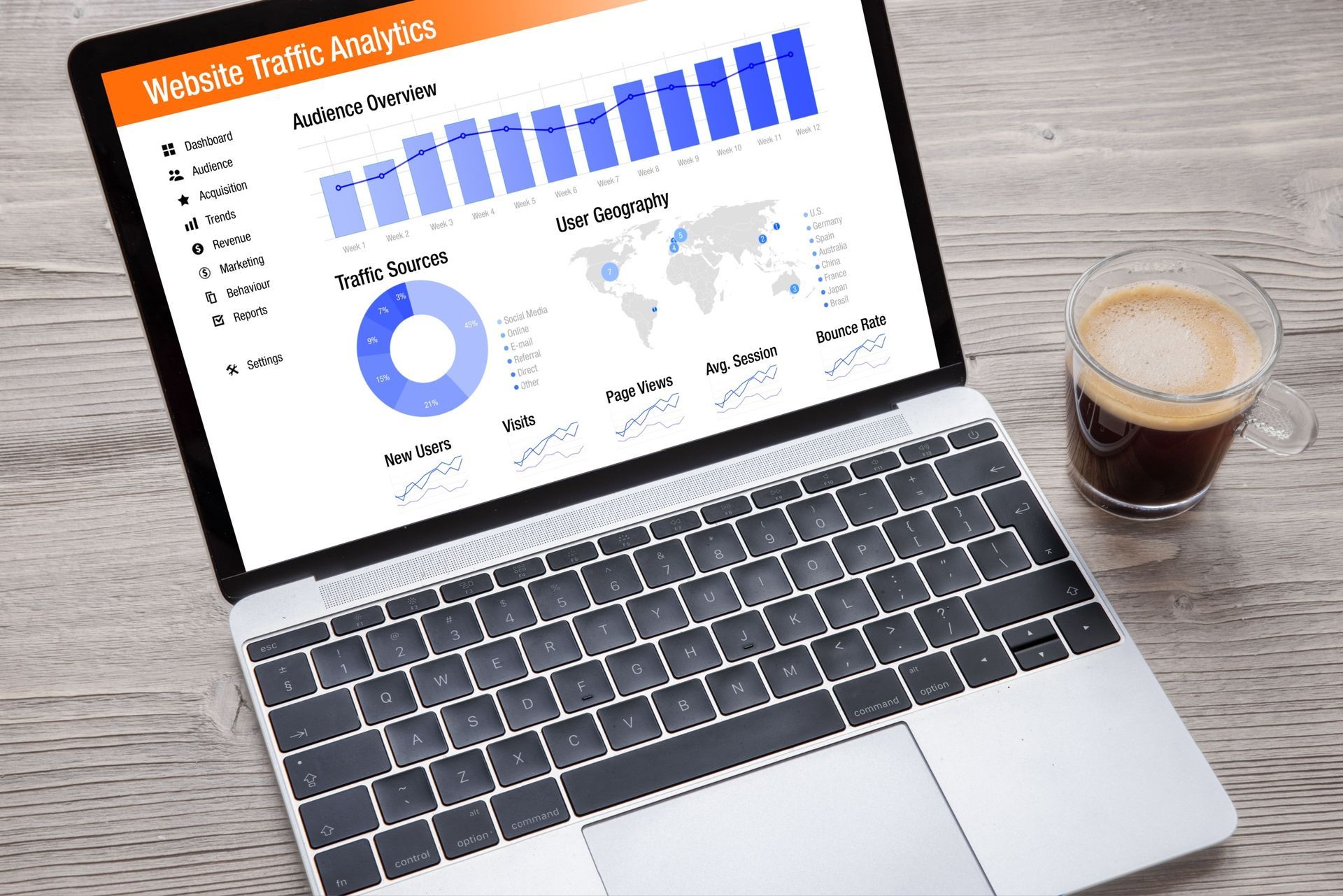
Turning visitors into customers is an ongoing process, not a one-time setup. Tracking how users interact with your website allows you to identify what’s working and what needs improvement. Small changes over time can lead to significant increases in conversions. The most successful websites are always evolving.
Want to get more value from your website traffic? Contact Us Today to improve your web design and digital strategy and start turning visitors into real customers.